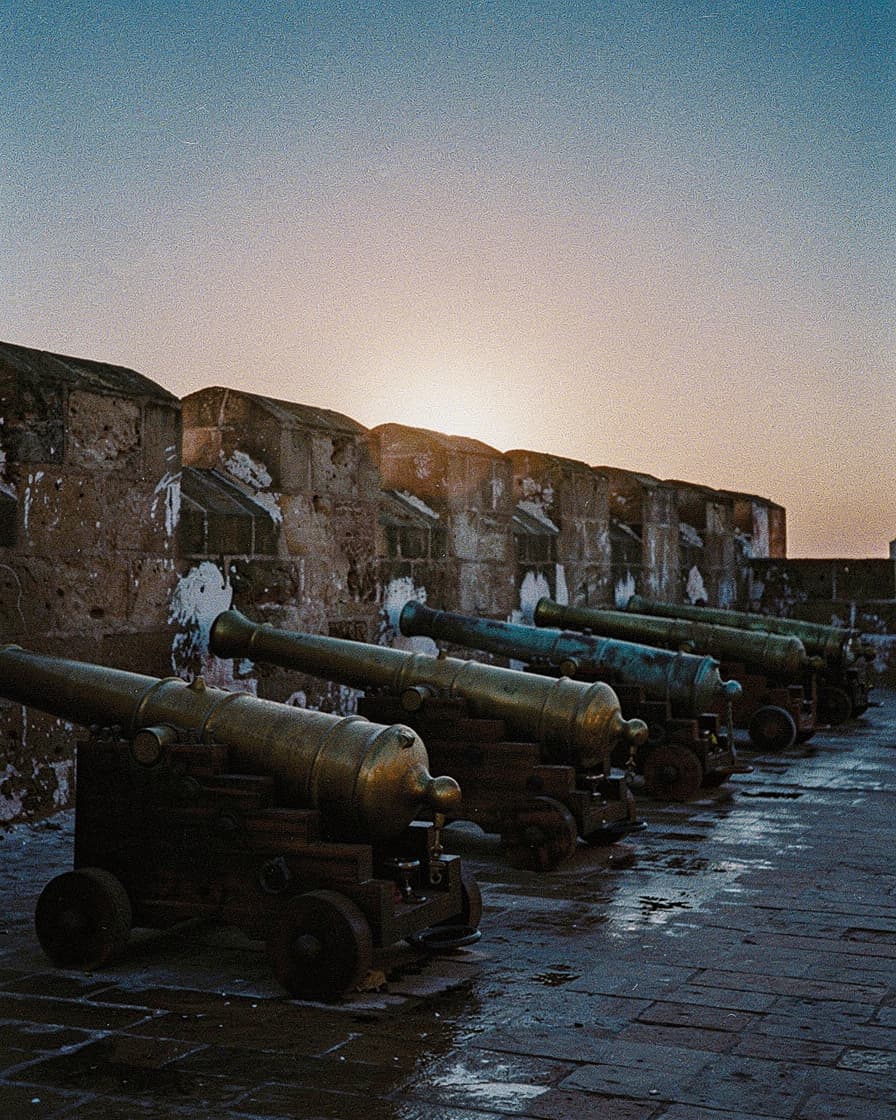
The ramparts start smelling like rust before they smell like sea. Old iron, old rope, centuries of gulls sitting on the same stones. I climb up where the cannons are, twenty of them maybe, all still aimed at an ocean that has never once flinched. Somebody’s grandfather thought this mattered. The Atlantic disagrees.
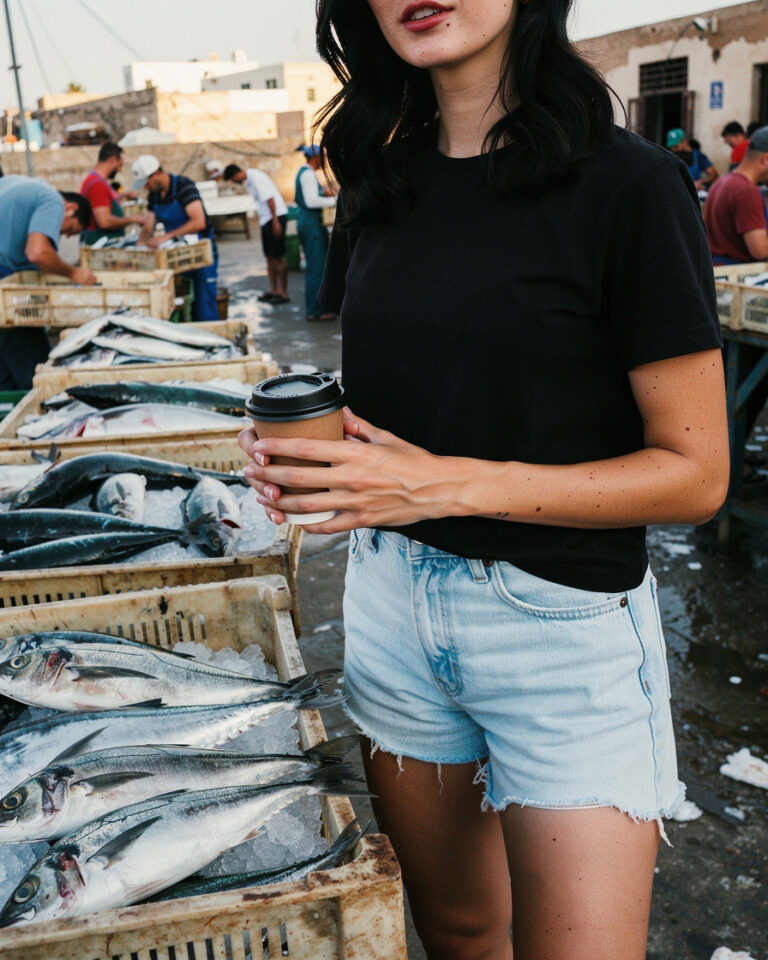
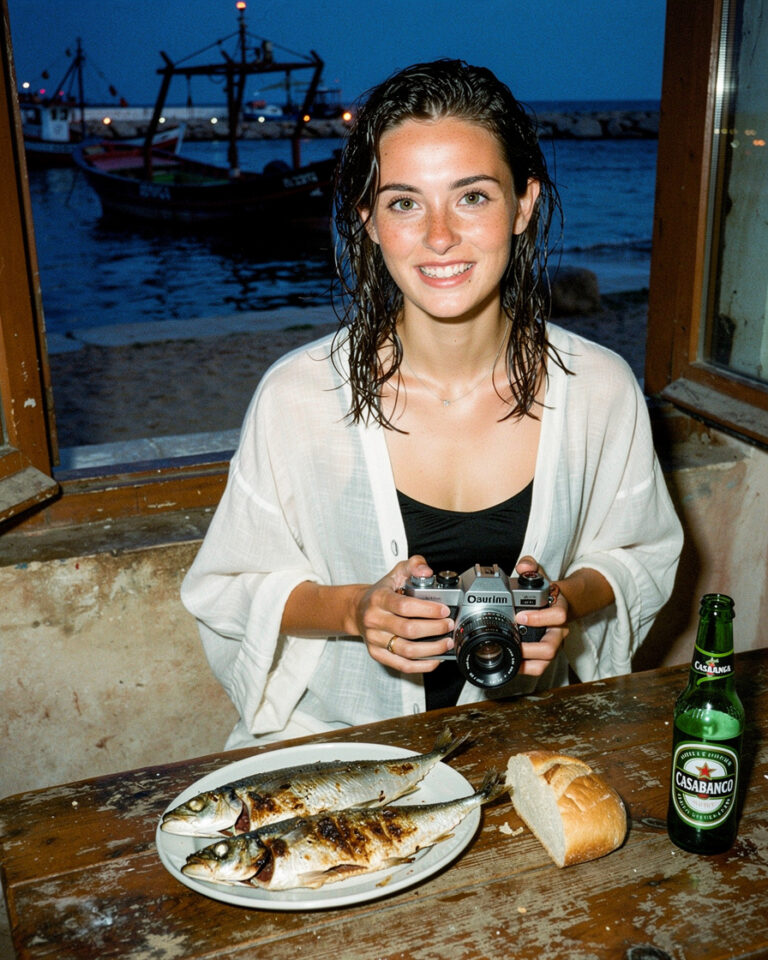
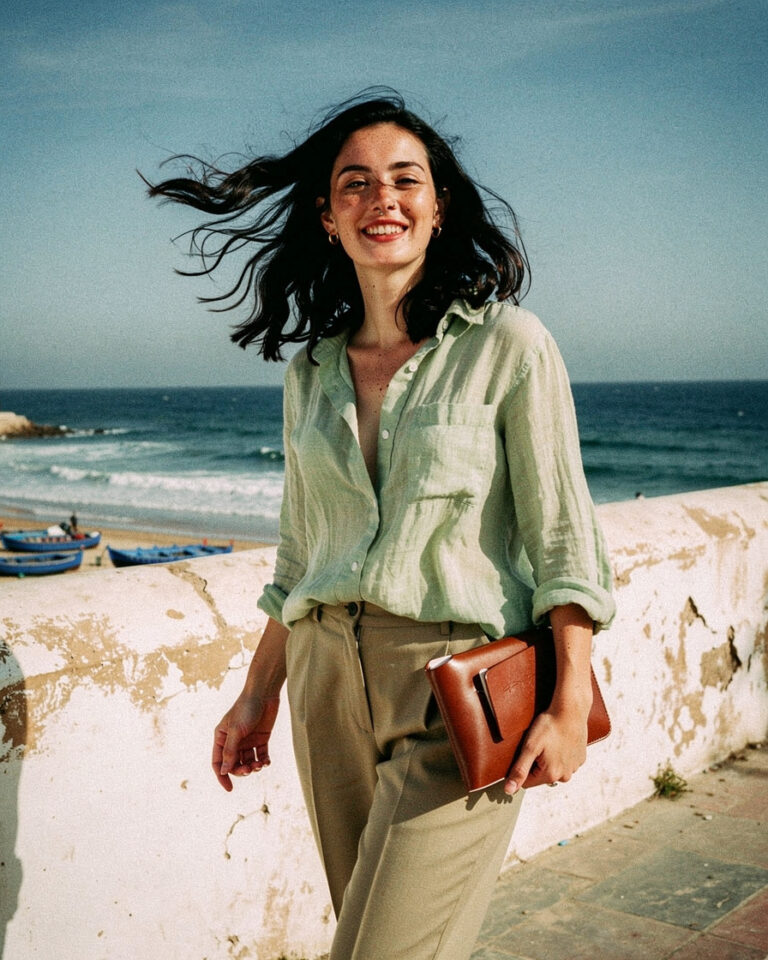
Wind here doesn’t ask permission. It comes off the water sideways, carrying salt and the smell of frying sardines from the port below, and it gets into everything: my hair, my bag, the felt on my camera strap. I load the 35mm anyway. There’s something about shooting a losing battle in dying light that feels correct. The sky is doing this slow bruise of orange into violet, no clouds to speak of, just color changing its mind every few minutes. Nobody else is up here to see it. A cat watches me from the top of a cannon like it owns the view, which, fair, it probably does.
I think about a boat trip my father took me on once, off the coast near Genova, how he told me the sea doesn’t perform for anyone, it just continues. I was eight and thought that was sad. Now I think it’s the only honest thing about water. Essaouira agrees with him. The waves hit the base of the ramparts in that same unbothered rhythm, over and over, like they’ve got somewhere better to be and this is just the route.
I shoot half a roll before the light goes. Salt has already found the lens, a thin film of it, the ocean’s way of leaving fingerprints. My lips taste like it too, sharp and a little bitter, the kind of taste you stop noticing after the first hour in this town. Down below, someone starts playing a gnawa rhythm on a metal karkabou, tinny and insistent, drifting up through the wind like it belongs to the same weather system.
Do the cannons know the war is over? Does the sky care that no one’s watching? I don’t have answers, just film, and a good enough seat on old stone. Saudade is the word my mother would use here, that specific ache for something you haven’t even lost yet. I sit until the color drains out completely and the gulls go quiet, and the only sound left is water, doing what it does, regardless.