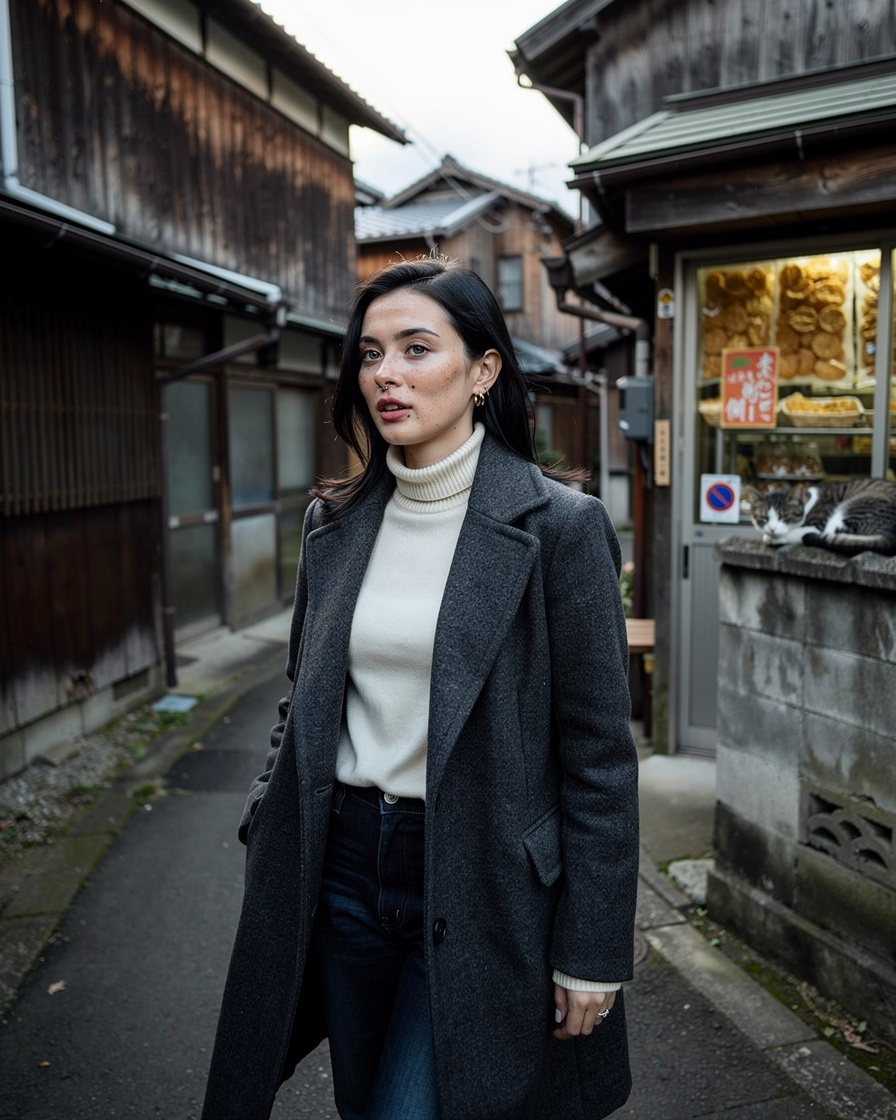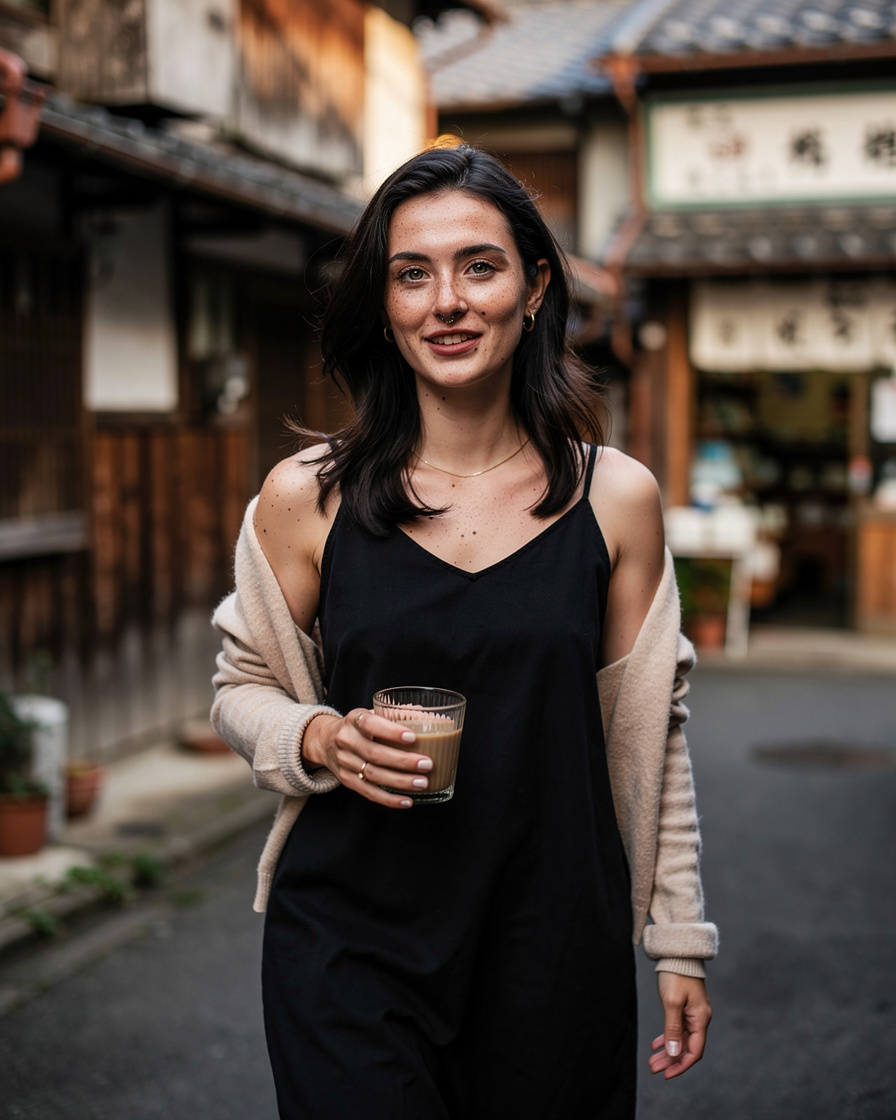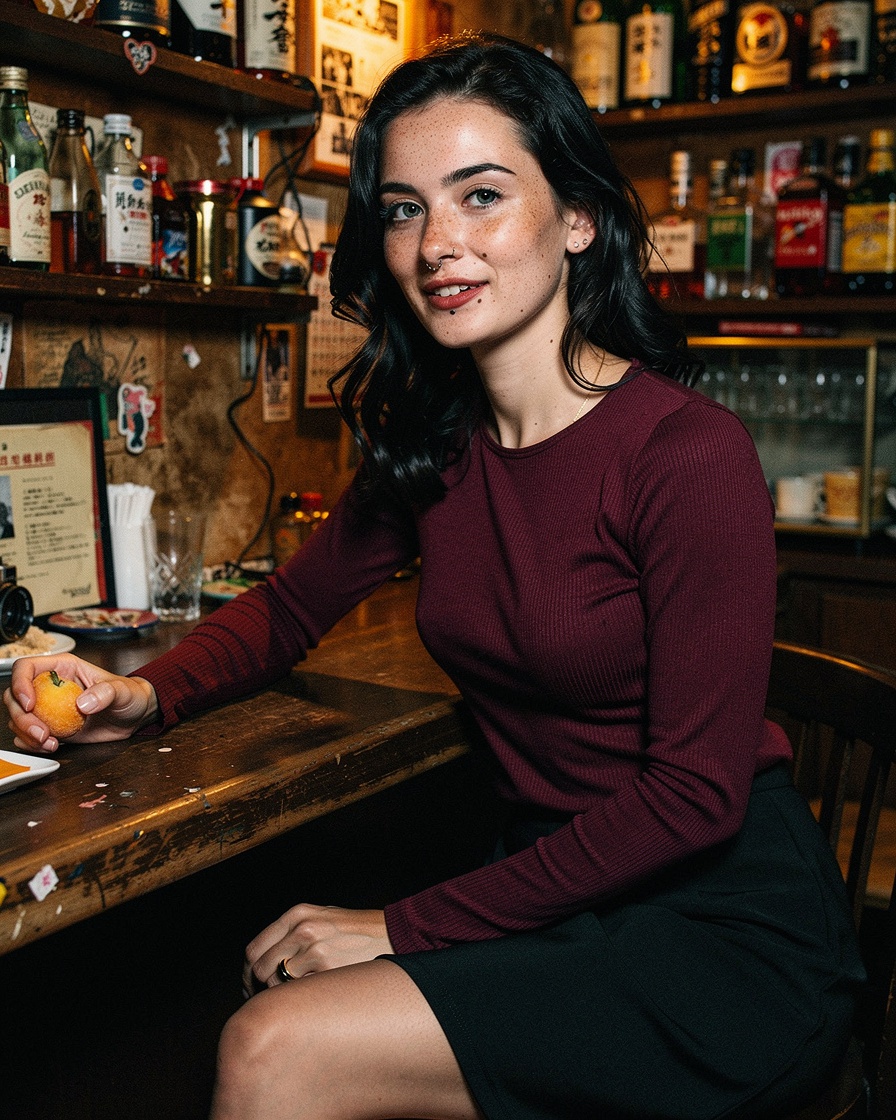
21:26 and the alley outside is barely wide enough for two people to pass without turning sideways. Paper lanterns, a staircase that looks like it leads nowhere, a door so small you have to duck. Inside, six seats. That's it. That's the whole bar.
The bartender pours without asking what I want the second time. First drink, we were strangers. Second drink, he's telling me about the record on the turntable, something scratchy and warm, a trumpet that sounds like it's been played in this exact room for forty years. Maybe it has. The bottles go up to the ceiling, labels in kanji I can't read, dust on the ones at the top nobody's touched since the Showa era.
There's a kind of Tokyo you don't find by looking for it. You find it by getting lost in Shinjuku, taking the wrong turn past the izakayas with the plastic food displays, and ending up in a two-meter-wide street that feels like someone's secret. Golden Gai doesn't advertise itself. It doesn't need to. The regulars already know, and the rest of us are just lucky enough to duck through the right door.
My camera sits on the counter, untouched for most of the hour. Some rooms don't want to be photographed, they want to be sat in. I take one frame before I leave, low light, grain thick as the smoke that isn't there anymore since the ban. The bartender waves as I go. Mata ne, he says, though we both know I won't be back this trip. Doesn't matter. Some places you carry instead of return to.