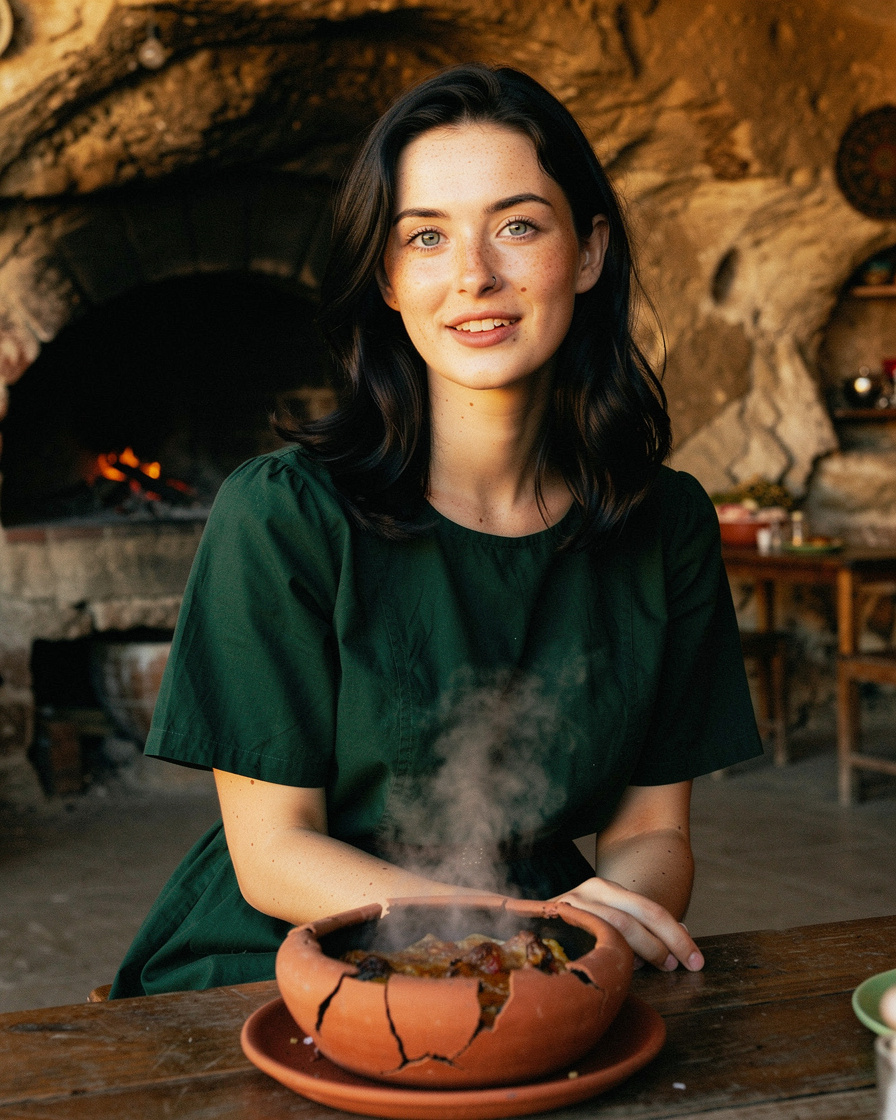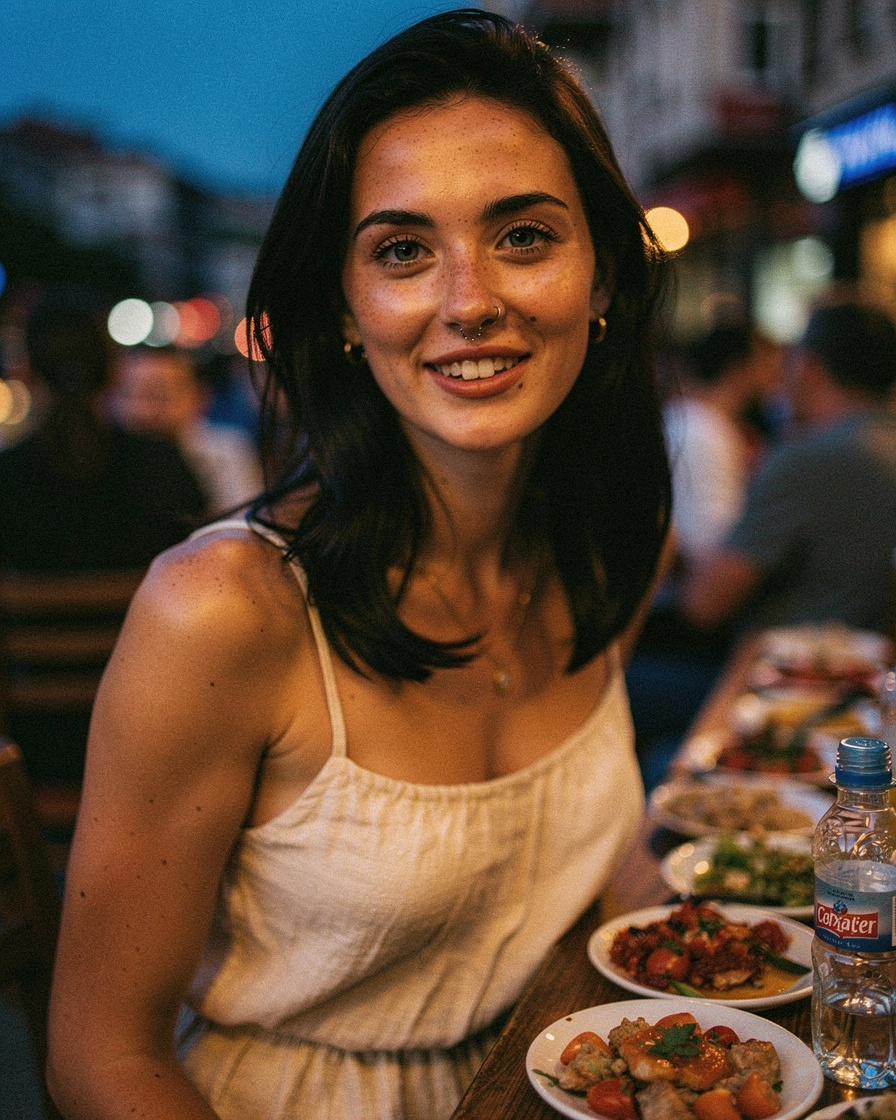
The fish market in Beyoglu smells the way it should. Brine and char and something sweet from a cart I can't see. By the time I sat down at the meyhane, the table was already half covered in little plates I hadn't ordered. White cheese with walnuts. Stuffed vine leaves glistening with oil. A coral-pink spread someone later told me was red pepper, though it tasted like smoke and lemon and patience.
I poured the water into the raki and watched it cloud over, that slow swirl the Turks call aslan sütü, lion's milk. The man across from me, someone's uncle or maybe just a regular, raised his glass and said something I didn't catch. Didn't matter. I raised mine back. There is a language for tables like this, and it doesn't require grammar.
The musicians set up in the corner around quarter to nine. An oud, a clarinet, a small drum I could feel in my sternum before I heard it properly. The songs were slow at first, almost conversational, then someone at the next table started clapping a rhythm and the whole room tilted into something faster, warmer. A woman stood up and danced between the chairs, not performing, just moving because the music asked her to. My Leica sat on the table next to the bread basket. I shot two frames. One of the raki glass, one of her hands mid-turn. The light was a mix of bare bulbs and candle stubs in old bottles, the kind of yellow that makes everyone look like they belong to the same painting.
I thought about my mother's kitchen in São Paulo, the nights when neighbors showed up unannounced and someone would push the table against the wall to make room. Fartura. That feeling of too much food and not enough chairs and nobody caring. Istanbul does this well. It sits you down among strangers, fills the table before you ask, and waits for you to stop being polite. By the third glass, I had. The clarinet climbed into a note it probably shouldn't have survived, and the whole room held its breath, and then the room broke into laughter when it did.