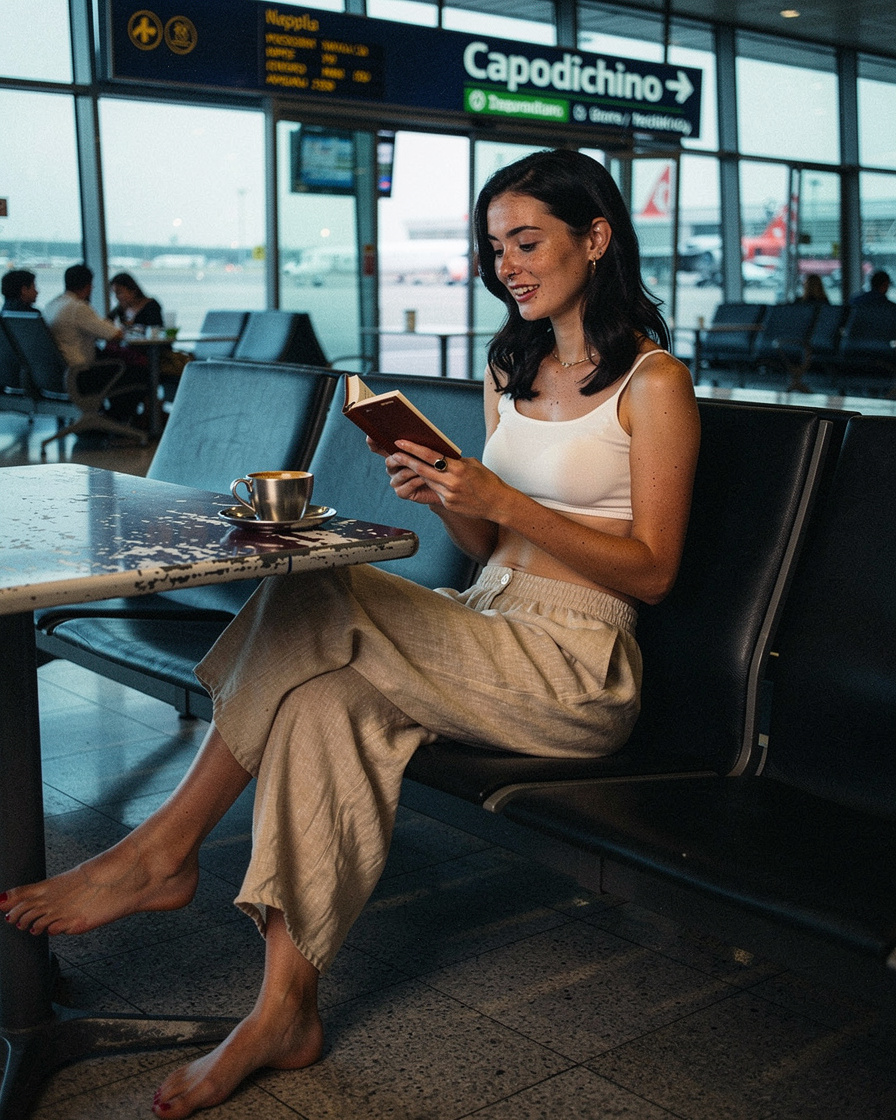
Capodichino is not a beautiful airport. It has that particular fluorescent honesty that Italian regional airports carry, the scuffed floors and the coffee counter that somehow still gets it right. I ordered a single espresso at the bar nearest Gate B. The woman behind the machine didn't ask how I wanted it. She already knew. It arrived in a silver cup the size of a thimble, with a curl of crema so dark it looked like wet clay. I drank it standing, the way my father taught me. One sip, then another. Done.
The departure lounge smells like cleaning product and warm bread from somewhere I can't find. A family next to me is eating taralli from a paper bag, passing them around without speaking, and there's something about that silence that feels more generous than conversation. My gate hasn't been called yet. I keep looking at the board. Atene. The Italian spelling makes it feel further away than it is.
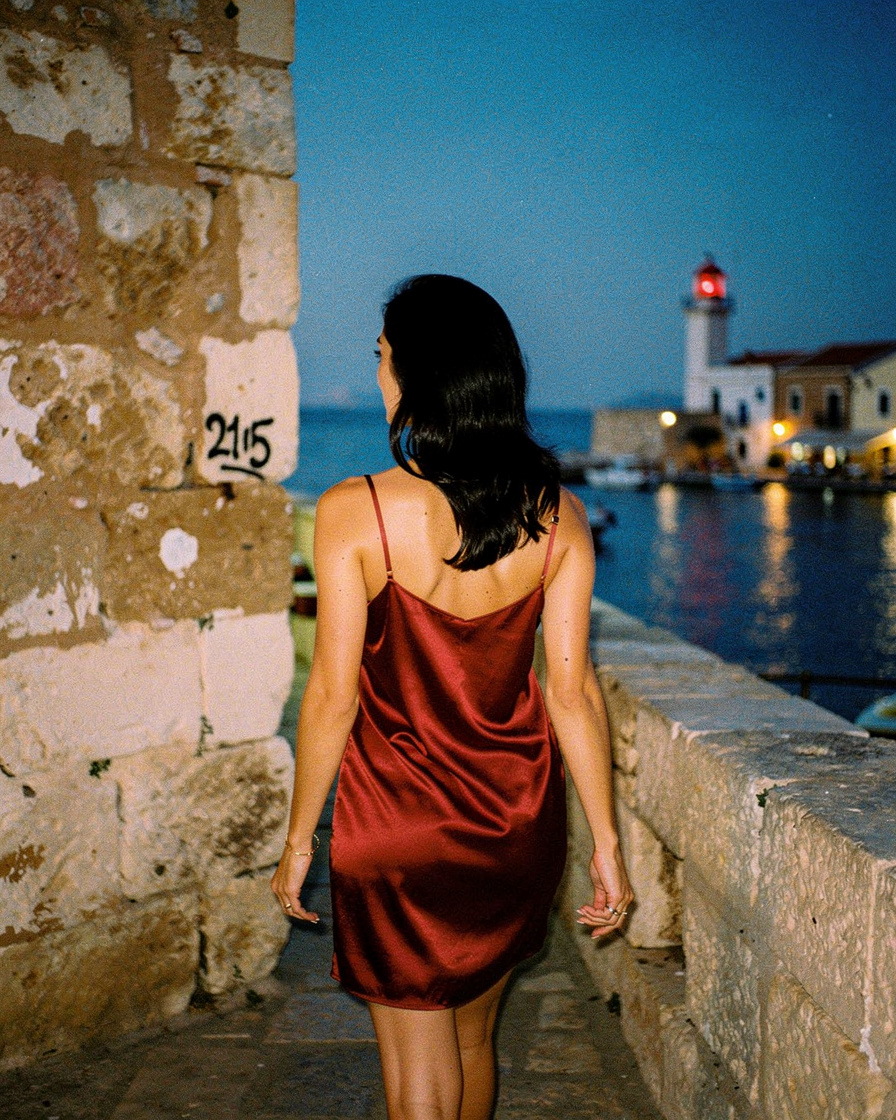
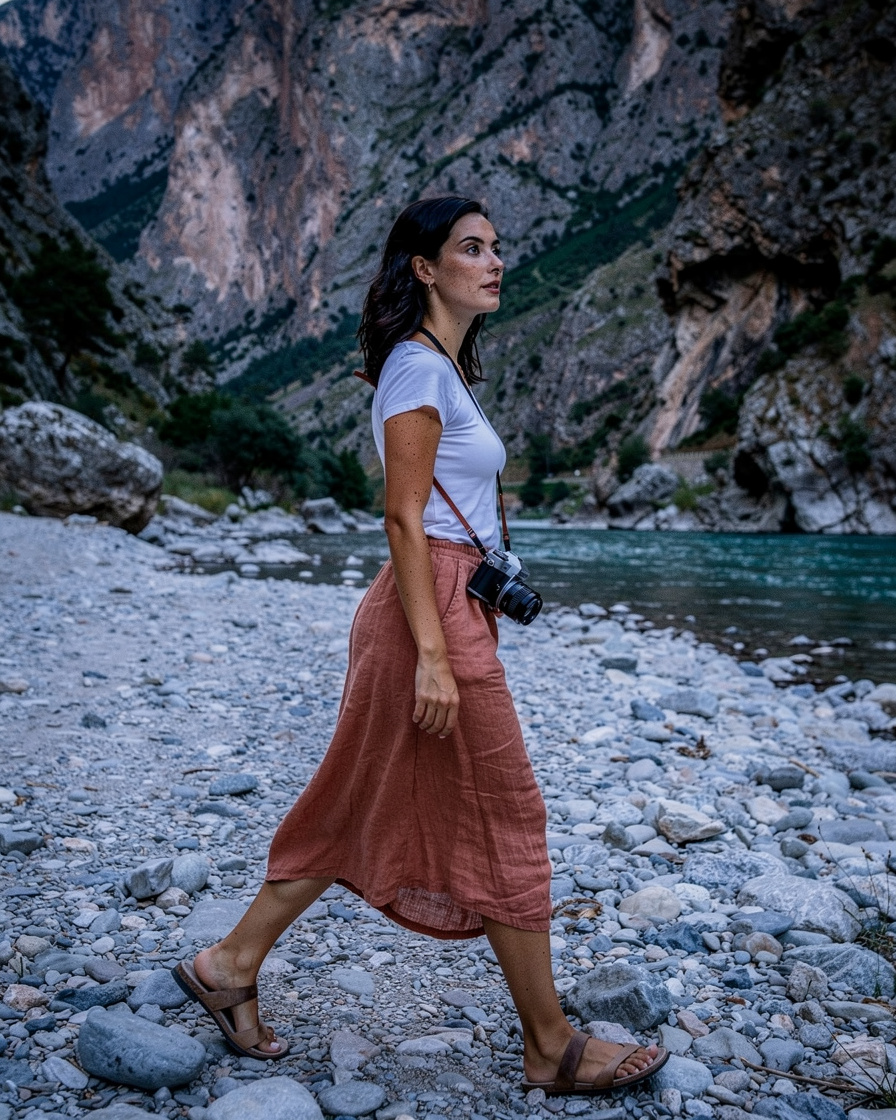
I've been in Naples for eleven days. Long enough to learn the rhythm of the Quartieri Spagnoli in the morning, the particular way laundry catches light between buildings at noon, the sound of a Vespa negotiating a corner that shouldn't exist. Long enough that leaving feels like pulling thread from something unfinished. My camera bag is heavier than when I arrived. Four rolls of Portra 400 that I won't see developed until I find a lab in Athens, or maybe not until after that. The waiting is part of it. You shoot the thing, you carry it with you, you see it later when you've already become someone slightly different. That's what film does. It makes you patient with your own memory.
The cup is empty. I turn it over on the saucer, an old habit I picked up from my avó in São Paulo, reading the grounds like a letter from nobody. There's nothing to read here. Just the bitter residue of something good and brief. The board clicks. Boarding. I pick up the duffel, leave the cup where it is, and walk toward a country I haven't tasted yet.